Corvane
Published :
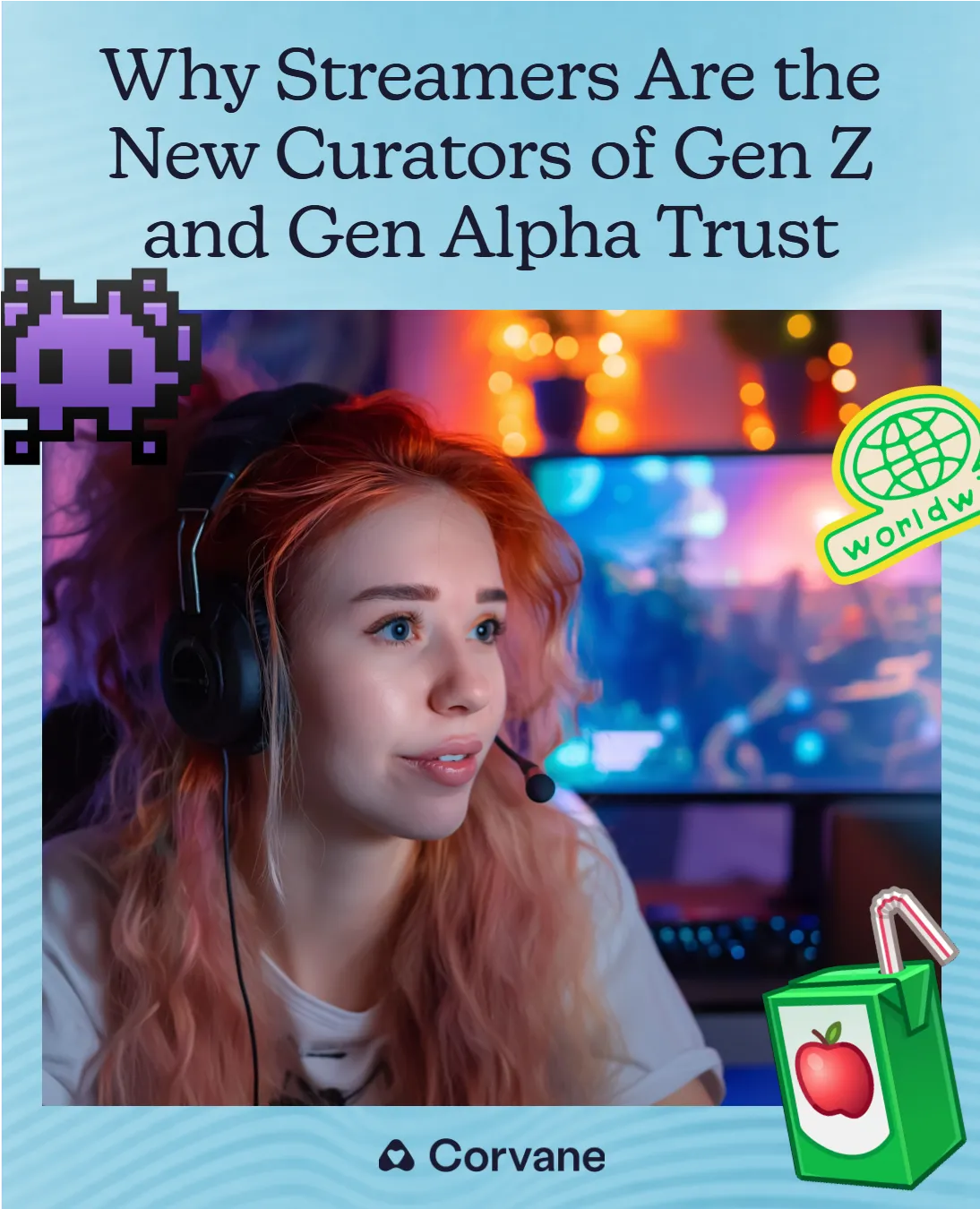
For Gen Z and the younger Gen Alpha, trust is no longer built through polished commercials or distant celebrities. Instead, it is being shaped by live streamers, creators who interact with their audience in real time. These streamers have become the primary filters for what young people choose to buy and how they see themselves.
The Power of Being Real
The biggest reason streamers are so influential is their perceived trustworthiness. Unlike a scripted ad, a live stream is unpredictable and interactive. Viewers can ask questions and get immediate answers, which makes the experience feel honest. This “real-time” connection reduces the feeling of risk when buying something new. Research shows that two of the most important factors driving Gen Z to shop are a streamer’s actual expertise on a product and their reputation for being honest.
Thanks for reading! Subscribe for free to receive new posts.
A Connection That Feels Personal
Young viewers often develop what is called a parasocial relationship with their favorite streamers. This is a one-sided emotional bond where the fan feels a deep personal connection to the creator, even if they have never met.
Over 77% of Gen Z fans report feeling some level of emotional attachment to the streamers they follow.
Because of this bond, fans often engage in identity projection, seeing parts of themselves—or who they want to be—in the streamer.
As a result, streamers aren’t just entertainers; they are lifestyle guides who help shape how their audience interacts with the world.
The Mimicry Effect
When a streamer consistently uses a certain product, it often leads to behavioral mimicry. This is a psychological behavior where fans unconsciously adopt the habits, speech, and purchasing choices of people they admire.
68% of Gen Z report making a purchase based on a streamer’s recommendation.
Commonly influenced categories include gaming accessories (30%), fashion (25%), and tech gadgets (20%).
This goes beyond just buying stuff—fans even adopt the slang and cultural norms created within these streaming communities.
The Role of the Community
Streaming isn’t just a one-on-one conversation; it’s a group experience. In a live chat, viewers talk to each other as much as they talk to the streamer. This community interaction provides a second layer of trust. When other viewers in the chat share positive feelings about a product, it creates “community-verified” proof that the product is worth it.
Ultimately, streamers have become the new curators of trust because they offer something traditional media cannot: a blend of expertise, real-time proof, and a sense of belonging. For the next generation of consumers, if a streamer says it’s good, it’s not just an ad—it’s a trusted recommendation from someone they feel they truly know.
When it comes to the people actually driving these trends, a few names stand out as major “curators” for Gen Z. These streamers don’t just play games; they shape how millions of people dress, speak, and spend their money.
Based on recent research, here are some of the most influential streamers and the numbers that show their impact:
The Heavy Hitters
Ninja (Tyler Blevins): One of the most recognizable names in gaming, Ninja has a massive influence on fashion and lifestyle. His exclusive sneaker line with Adidas capitalized on his huge fan base and sold out in mere minutes. He even started a trend of fans dying their hair blue to match his signature look.
Pokimane (Imane Anys): Known for her relatable and authentic personality, she has built a community centered on positivity. Brands have tapped into this trust for major collaborations, such as her skincare line, which targeted younger fans looking to mirror her daily routines.
Valkyrae (Rachell Hofstetter): Her influence in the fashion world is significant; a collaborative apparel line she did with the gaming organization 100 Thieves sold out within hours due to intense fan demand.
xQc and Ludwig: These creators are cited as major influences on how Gen Z speaks. They’ve popularized specific slang and expressions—like “GG” (good game) or “Pog” (used for exciting moments)—that fans now use in their everyday lives.
The Influence by the Numbers
The scale of this influence is backed up by some pretty eye-opening statistics:
The Reach: As of 2023, platforms like Twitch see about 7.6 million active streamers every month.
The Attention: Viewers consume over 22.4 billion hours of streaming content annually.
The Daily Habit: Roughly 75% of Gen Z consumers follow at least one streamer, with 45% of them engaging with that content every single day.
The Buying Power: This translates directly to sales—68% of Gen Z report making a purchase based on a streamer’s recommendation.
Where the Money Goes
When fans “mimic” their favorite streamers, they tend to spend in specific categories:
Gaming Accessories: 30% of influenced purchases.
Fashion & Apparel: 25% of influenced purchases.
Tech Gadgets: 20% of influenced purchases.
Energy Drinks: 15% of influenced purchases.
Skincare: 10% of influenced purchases.
The biggest reason streamers hold so much sway is authenticity. Unlike traditional celebrities who follow a script, streamers build their personal brands in real-time, often for hours a day. This openness creates a deep sense of “Streamer Trustworthiness”. When a creator shares their genuine enthusiasm or a raw reaction, it resonates far more than a paid advertisement.
This connection often becomes a parasocial relationship—a one-sided bond where fans feel like they truly know the creator. Research shows that 77% of Gen Z fans feel an emotional attachment to their favorite streamers, viewing them as digital mentors or friends.
The “Curation” Effect: Kai Cenat and IShowSpeed
Modern streamers like Kai Cenat and IShowSpeed are perfect examples of this new era of influence:
Kai Cenat: Often called “Twitch’s most popular streamer,” Kai has turned his platform into a cultural hub where major music artists and athletes appear as guests. His influence is so strong that a single partnership, like his work with State Farm, feels more like an organic event than a commercial. He even coined the term “rizz,” which has become a staple in Gen Z vocabulary.
IShowSpeed: Known for his intense and animated personality, Speed has built a massive following among the 10- to 20-year-old demographic. His real-time interactions and viral moments—like meeting global soccer stars—have made him a lifestyle icon for younger viewers.
A Community-Verified Experience
Streaming isn’t just a broadcast; it’s a conversation. In a live stream, the “chat” allows viewers to interact with the streamer and each other simultaneously. This consumer-to-consumer interaction creates a layer of community trust. When you see thousands of people in a chat reacting positively to a product in real-time, the perceived risk of the purchase drops.
Ultimately, streamers like Kai Cenat and IShowSpeed have become the gatekeepers of trust because they offer what traditional media cannot: a blend of high-energy entertainment, community belonging, and a level of honesty that feels real to a new generation of consumers.