Corvane
Published :
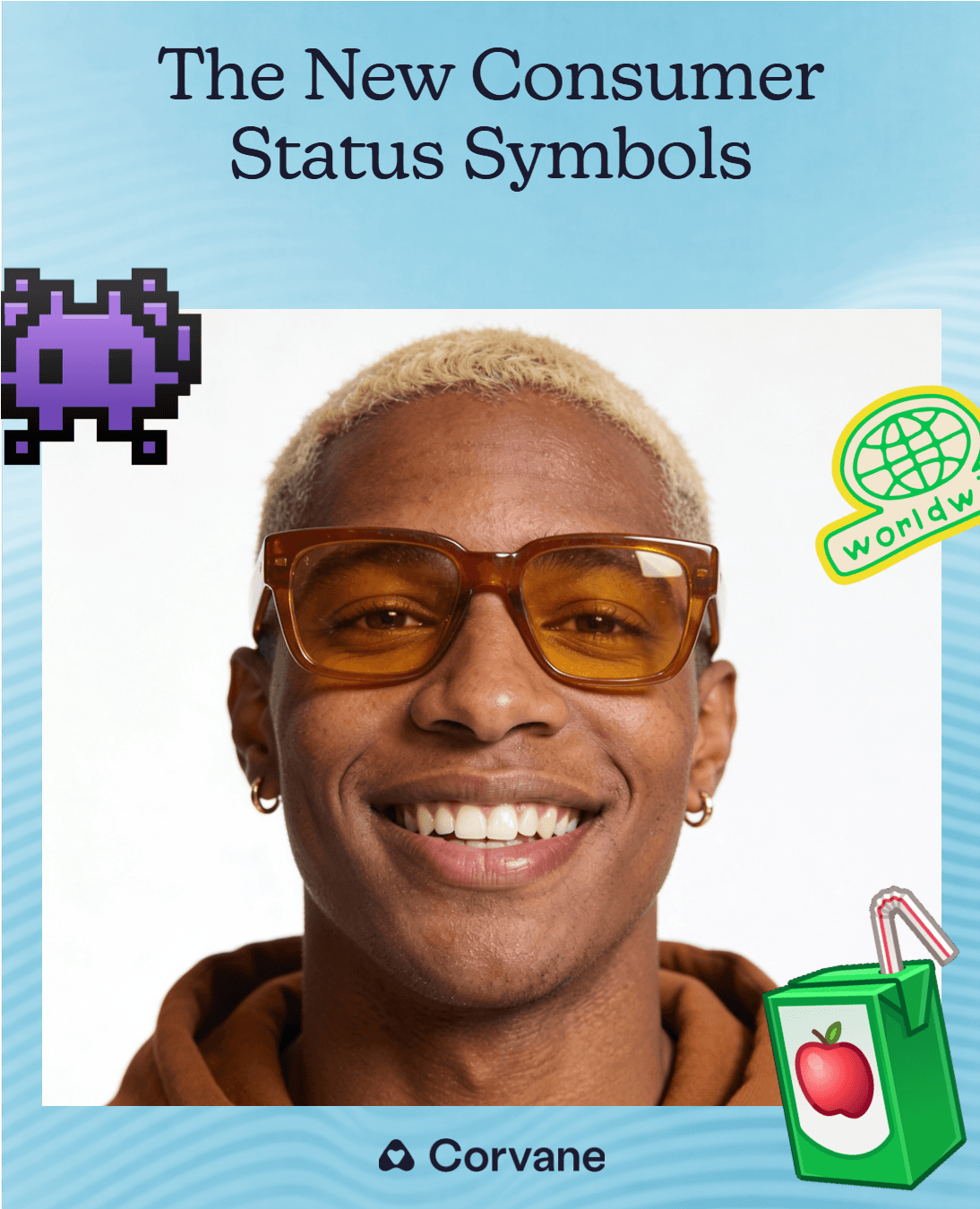
Luxury used to be obvious. Logos, price tags, things you could point to and say, that’s it , that’s success. It was loud by design. You were meant to see it.
That version of luxury doesn’t really land with Gen Z. What feels aspirational now is quieter and more personal. The things that signal status aren’t always visible, and they’re rarely universal. They show up in small, everyday choices , the kind only certain people notice. A group chat you actually like. A playlist that feels oddly specific to your mood. Clothes that look simple but intentional. Even choosing not to post can feel like a flex.
Luxury today is less about being seen and more about being understood. It’s not about what you own, but how things fit into your life and how they make you feel.
There’s a reason loud luxury has lost some of its appeal. Gen Z grew up surrounded by constant marketing, influencer culture, and nonstop consumption. At a certain point, flashy displays of wealth start to feel tired. In some cases, they feel forced. What’s replacing that is a preference for things that feel thoughtful and low-key. Brands like The Row or Loro Piana work because they don’t try too hard. They feel calm, considered, and confident.
That confidence matters, especially in a time when money feels uncertain. Rising costs, unstable careers, and housing stress make over-the-top luxury feel disconnected from reality. Instead, status shows up in restraint. In choosing fewer things, but better ones. In caring about quality and longevity rather than constant upgrades.
You can see this clearly in athleisure. Brands like Alo and Skims have become status symbols not because they’re flashy, but because they fit into real life. Wearing them signals wellness, comfort, and a certain level of self-awareness. It’s not about dressing up , it’s about looking put together without trying too hard. Alo suggests routine and discipline. Skims makes comfort feel intentional instead of sloppy. The appeal is that these clothes work everywhere, and they don’t need an audience.
For Gen Z, status is closely tied to identity. What matters isn’t the price of something, but what it says about your values and how you move through the world. Having time. Choosing comfort. Supporting smaller brands. Being selective instead of excessive. These things signal taste in a way logos no longer do.
Access has replaced price as a gatekeeper. Limited drops, invite-only platforms, private Discords, and niche newsletters feel valuable because not everyone knows about them. Being early, or being part of something small, carries more weight than simply buying something expensive. The flex isn’t owning it , it’s knowing about it.
A lot of this status signaling happens online, but it’s subtle. Curated playlists, carefully designed digital spaces, shared docs, inside references , these are signals meant for specific people, not everyone. If you get it, you get it. If you don’t, that’s kind of the point.
Even grocery shopping has become part of this language. Stores like Erewhon aren’t just places to buy food , they represent a lifestyle. Shopping there signals interest in wellness, clean ingredients, and having the time and money to care about those things. A smoothie isn’t just a smoothie. It’s shorthand for how you live. Where you shop quietly communicates what you value.
More than anything, Gen Z has shifted status away from ownership and toward belonging. Being part of the right microculture, group chat, or community often matters more than owning the right item. Status becomes relational. It’s about shared taste, shared language, and feeling like you’re in the right rooms.
Brands that resonate with this generation understand that story and intent matter. How something is made, who made it, and why it exists all factor into whether it feels worth it. Buying something becomes a small expression of values, not just a transaction.
Experiences have taken on more weight than objects. Time, attention, and energy are limited, so things that offer presence , retreats, events, moments that feel intentional , carry real status. They suggest a life that’s curated around well-being instead of accumulation.
Technology fits into this too, but only when it feels personal. Wearable tech, customized phones, and clean digital layouts aren’t about having the newest thing. They’re about making everyday tools feel considered and useful. Taste shows up in how you use tech, not just what you buy.
There’s also a growing pull toward things that feel slower and more human. Vintage clothes, film cameras, vinyl, notebooks , these aren’t about nostalgia for its own sake. They’re about stepping away from constant noise and choosing presence. Sustainability and care aren’t trends anymore. They’re expectations.
Gen Z isn’t rejecting luxury. They’re redefining it. Status now looks like restraint, self-awareness, and alignment. The loud flex has been replaced by quiet confidence. And the real signal isn’t whether everyone sees it, it’s whether the right people do.